

Overwatering, root rot, and incorrect soil mix are the most common problems faced by aroid plant owners. Whether you grow Monstera, Philodendron, Anthurium, or Alocasia, improper watering and poor drainage can quickly damage the roots and eventually kill the plant.
The good news?
Root rot is fixable if you act early.
This SEO-friendly guide explains how to identify, treat, and prevent overwatering and root rot in aroid plants, using simple language and proven methods.
What Causes Overwatering and Root Rot in Aroids?
Aroids naturally grow in airy, well-draining environments such as forest floors or attached to trees. Root rot usually happens when:
-
Soil stays wet for too long
-
The pot has poor drainage
-
The growing medium is too dense or compact
-
Watering frequency is too high
-
The pot size is too large for the plant
When roots sit in wet soil without oxygen, they suffocate and rot.
Signs of Overwatered Aroid Plants
If you notice two or more signs below, your plant likely has root rot:
-
Yellowing leaves
-
Drooping or limp leaves even though soil is wet
-
Foul or sour smell from the soil
-
Slow or no new growth
-
Mushy, black, or brown roots
Healthy aroid roots should be firm and light-colored, not soft or slimy.
Emergency Treatment: How to Stop Root Rot Fast

Step-by-Step Root Rot Rescue
-
Remove the plant from the pot
Gently take the plant out and shake off old soil. -
Inspect and trim damaged roots
Use sterilized scissors to cut off all soft, black, or mushy roots. -
Rinse healthy roots
Wash remaining roots under clean running water. -
Optional: Root disinfection
Dip roots briefly in diluted hydrogen peroxide (3% peroxide mixed 1:4 with water) for 5–10 minutes, then rinse. -
Let roots dry
Air-dry for 30–60 minutes before repotting. -
Discard old soil
Never reuse infected soil.
The Best Soil Mix for Aroid Plants (No More Overwatering)
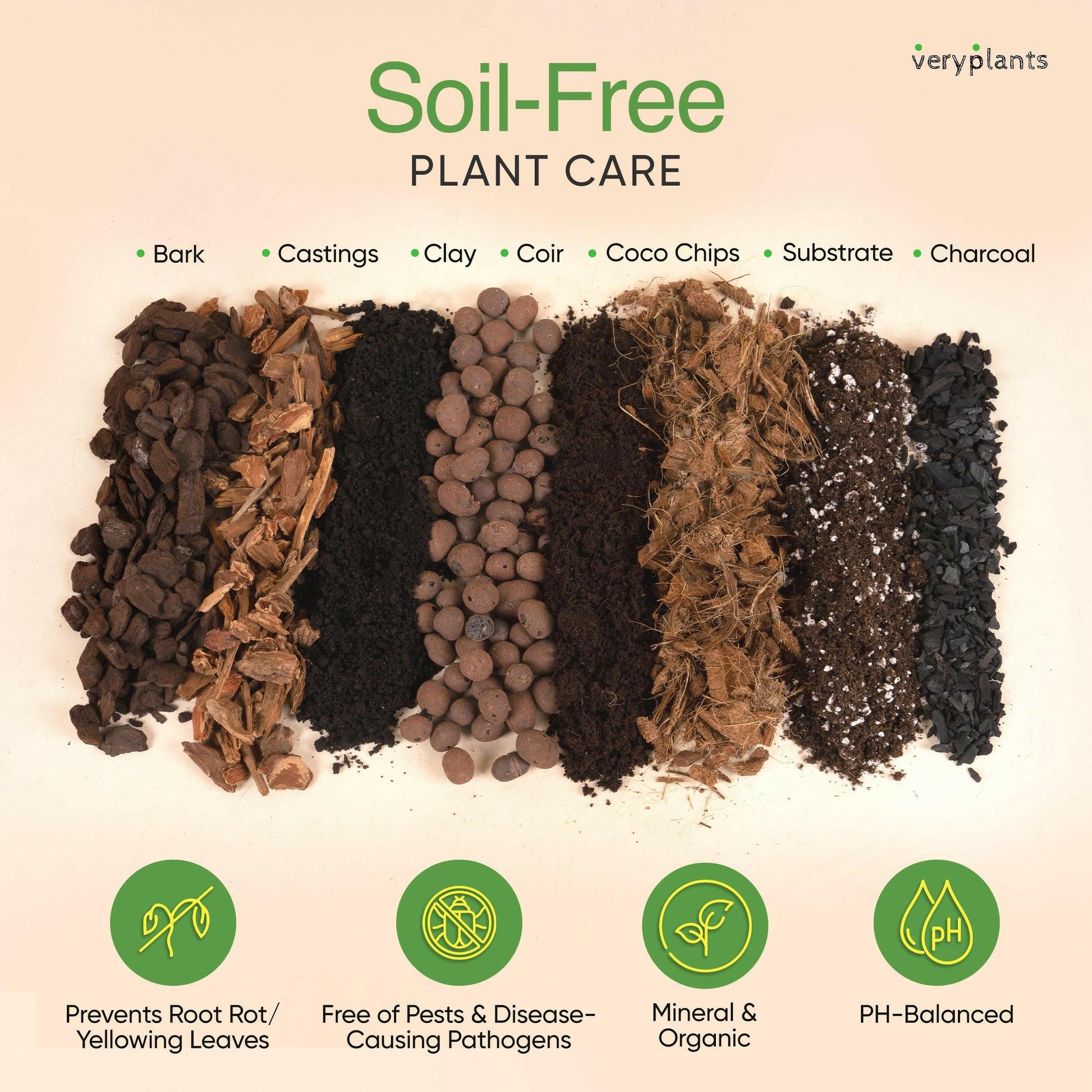
Aroids need chunky, breathable soil. Here is a proven DIY aroid soil mix:
Ideal Aroid Soil Recipe
-
40% orchid bark
-
25% coco coir or peat moss
-
20% perlite or pumice
-
10% sphagnum moss (optional)
-
5% activated charcoal (optional)
This mix allows water to drain quickly while keeping roots oxygenated.
Tip:
Avoid regular garden soil. It holds too much moisture and causes root rot.
Choosing the Right Pot for Aroids
-
Always use pots with drainage holes
-
Avoid oversized pots
-
Terracotta pots dry faster than plastic
-
Empty saucers after watering
A pot that stays wet too long is a root rot risk.
Watering Aroids the Right Way
Simple Rule (Beginner-Friendly)
-
Water only when the top 2–3 cm (1 inch) of soil is dry
-
Water thoroughly, then allow excess water to drain
-
Never let the plant sit in standing water
Seasonal Tip
-
Reduce watering during rainy seasons or cooler months
-
Increase airflow instead of increasing watering
Aftercare: Helping Your Aroid Recover
After repotting:
-
Place in bright, indirect light
-
Do not fertilize for 3–6 weeks
-
Maintain moderate humidity
-
Watch for new root or leaf growth within 2–6 weeks
Recovery takes time—be patient.
When Roots Are Too Damaged: Save the Plant with Cuttings
If most roots are gone:
-
Take healthy stem cuttings with at least one node
-
Root them in water or moist sphagnum moss
-
Change water every 3–5 days if rooting in water
Many aroids regrow faster from cuttings than from damaged roots.
How to Prevent Overwatering in the Future
-
Use chunky, fast-draining soil
-
Check moisture before watering
-
Use smaller pots
-
Improve air circulation
-
Quarantine new plants
-
Avoid misting the soil surface excessively
Prevention is always easier than treatment.
Final Thoughts
Overwatering and root rot are not failures—they are learning moments. Once you understand how aroid roots breathe, your plants will become stronger, faster-growing, and more resilient.
Healthy roots = healthy leaves 🌱